
WILDLIFE

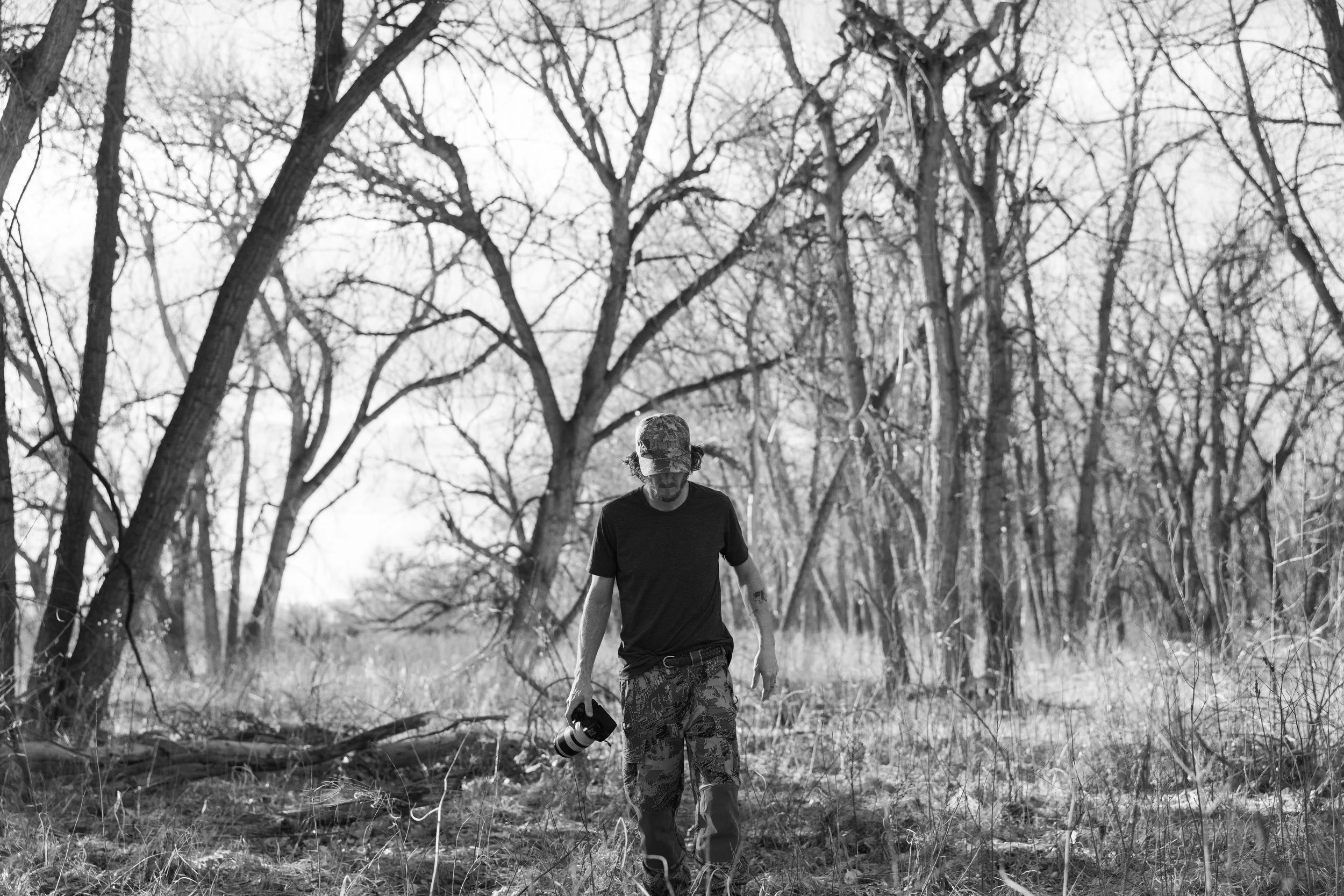
Over the past two years, wildlife photography has become a source of healing for Rory. After losing both his dad and his son, Rory picked up his camera again during a period of deep grief and burnout. What began as an escape slowly grew into a passion that grounded him and gave him a renewed sense of purpose.
JOURNEY INTO THE WILD
Time spent in nature has taught Rory patience, acceptance, and the art of letting go, reminding him that he isn’t always in control of the outcome. For the first time in years, he found himself creating solely for himself.

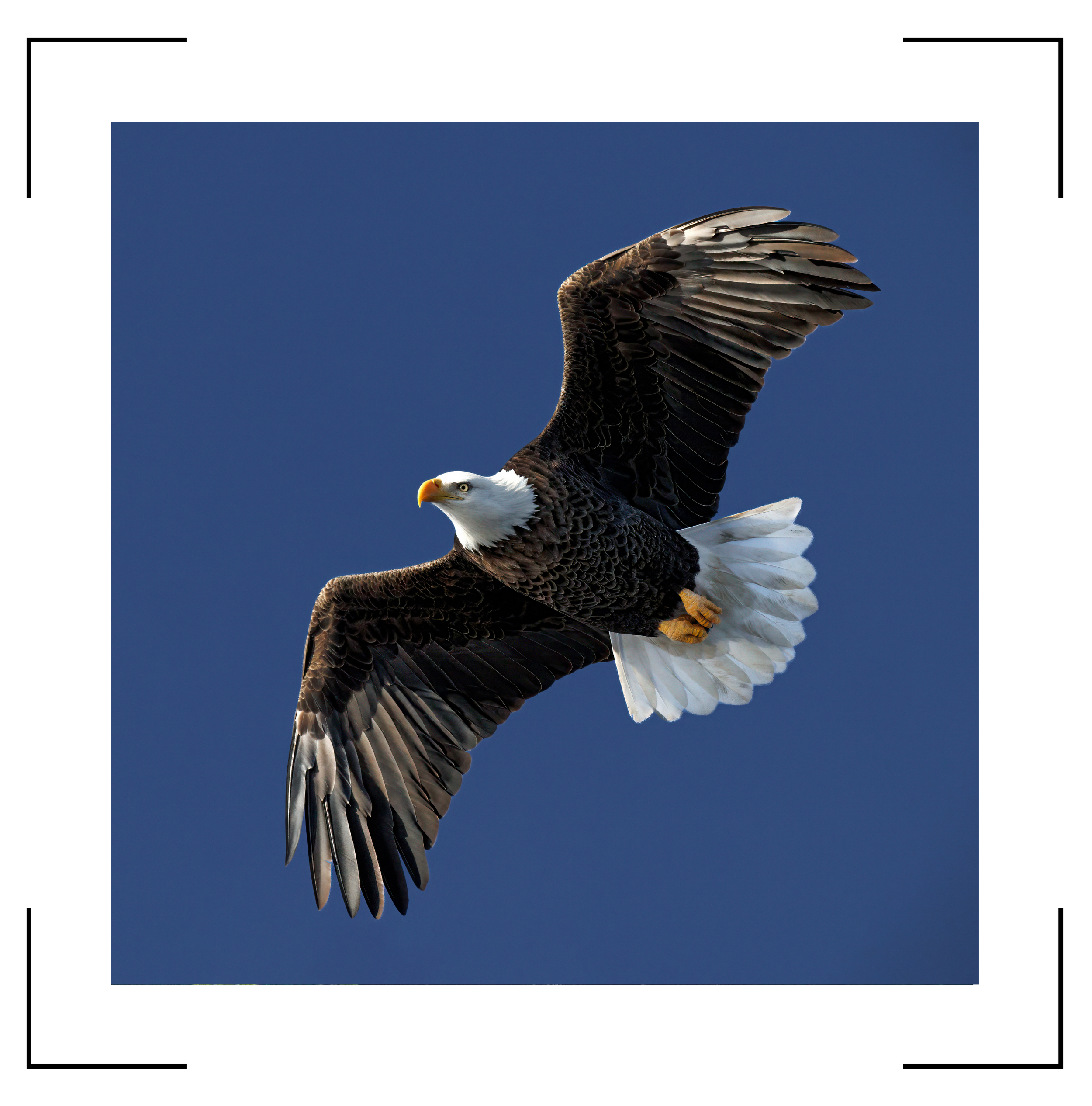
Bald eagles mate for life and return to the same nest each year, often building structures weighing more than a ton.
BALD EAGLE
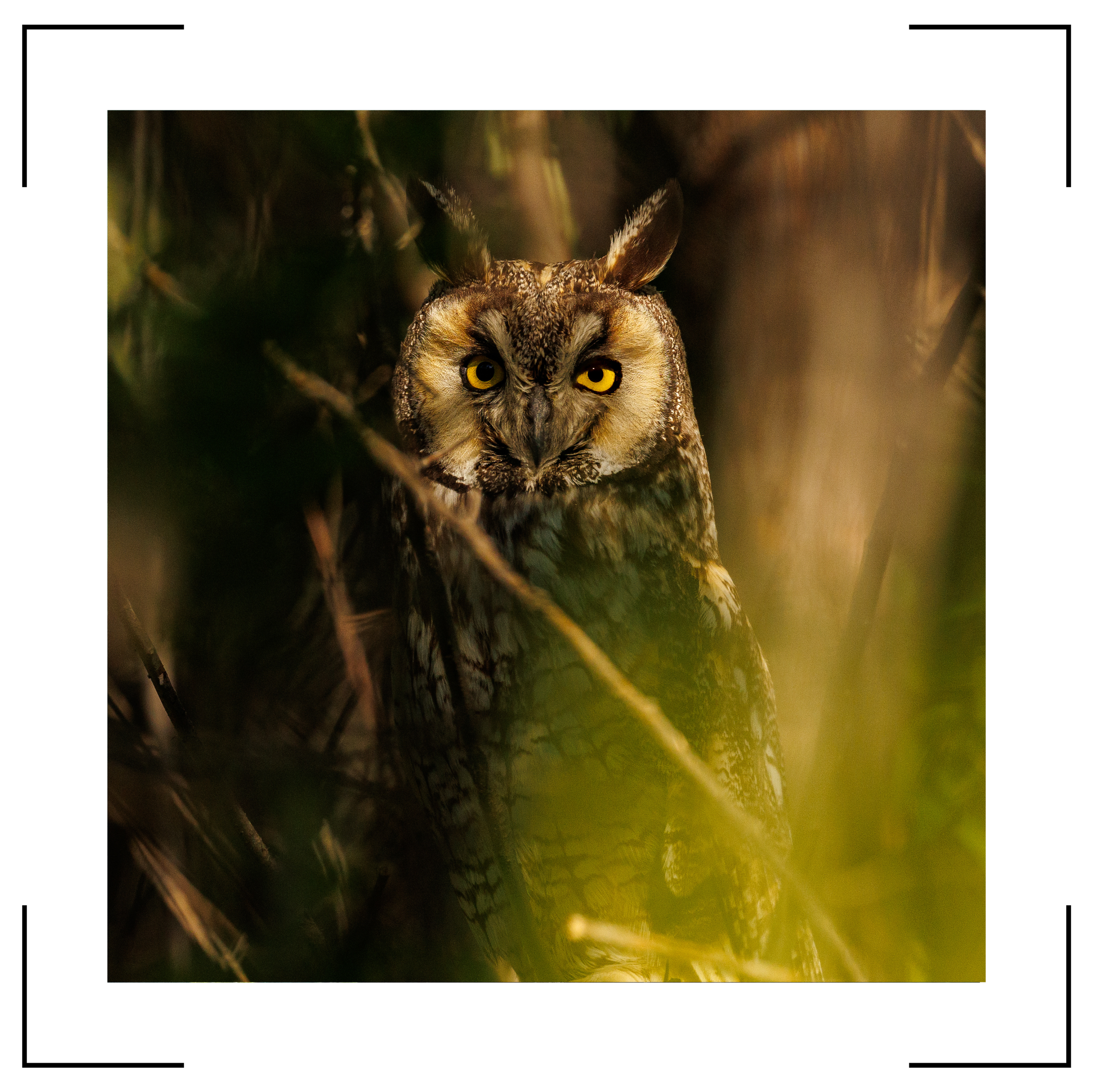
Long-eared owls never make their own nests. They take over abandoned stick nests from crows, hawks, and magpies.
long earred owl
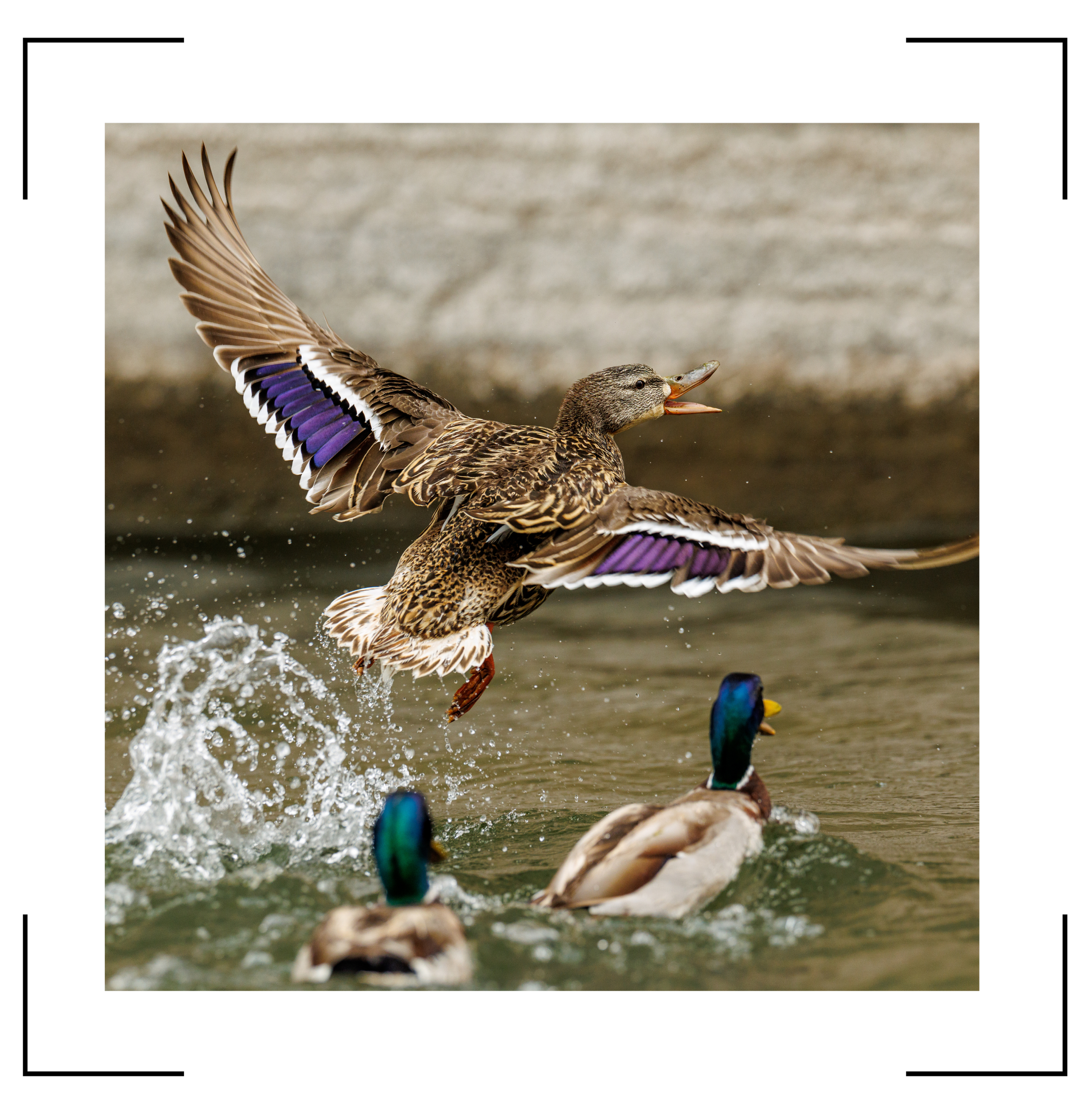
Over 90% of domestic duck breeds trace their lineage back to wild mallards, making them one of the most influential bird species in human history.
MALLARD
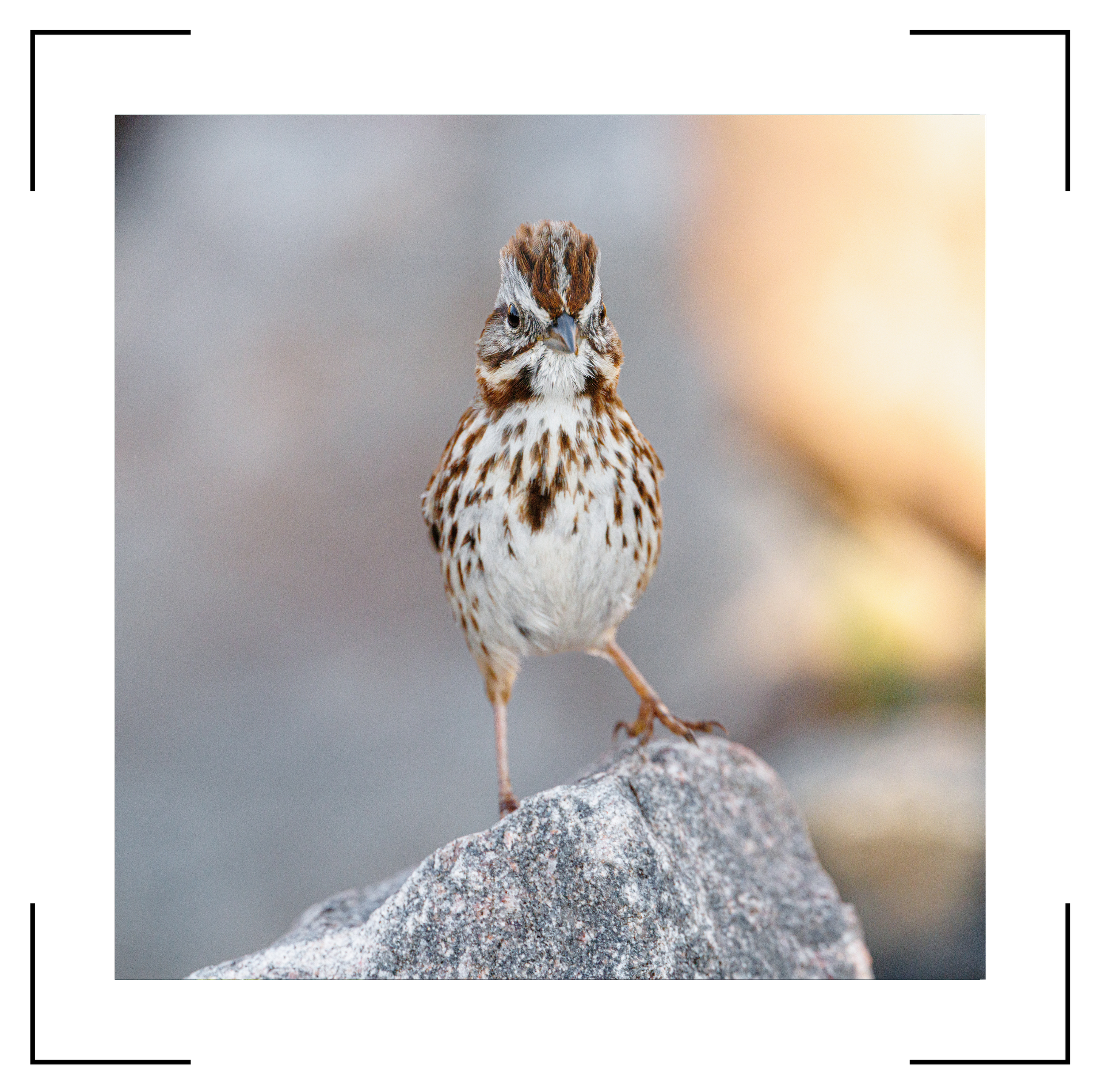
Male song sparrows often sing to defend their territory, sometimes performing over 2,000 songs a day.
SONG SPARROW

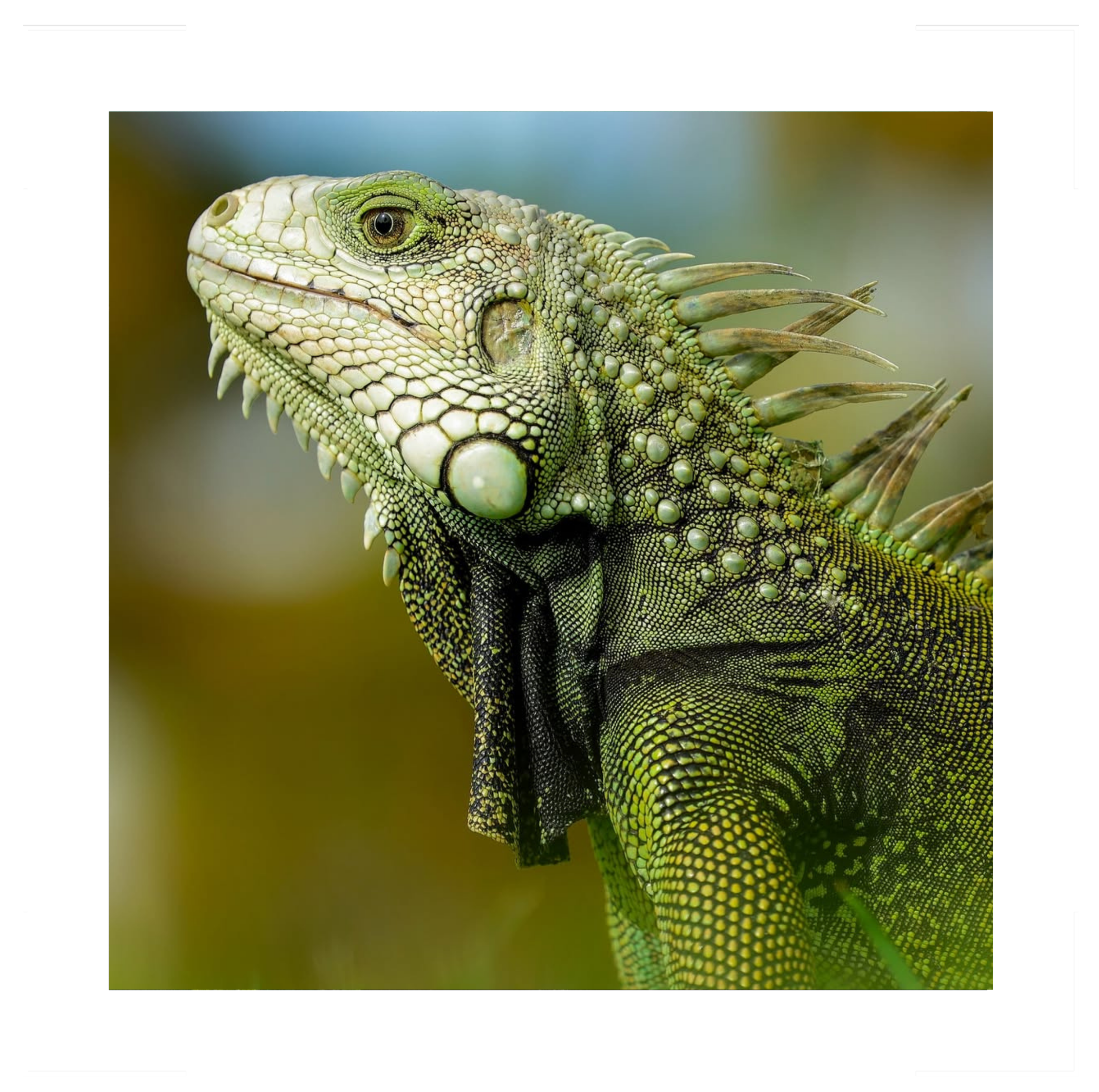
iguana
Iguanas have a “third eye” on top of their head that senses light and shadow, helping them detect predators .
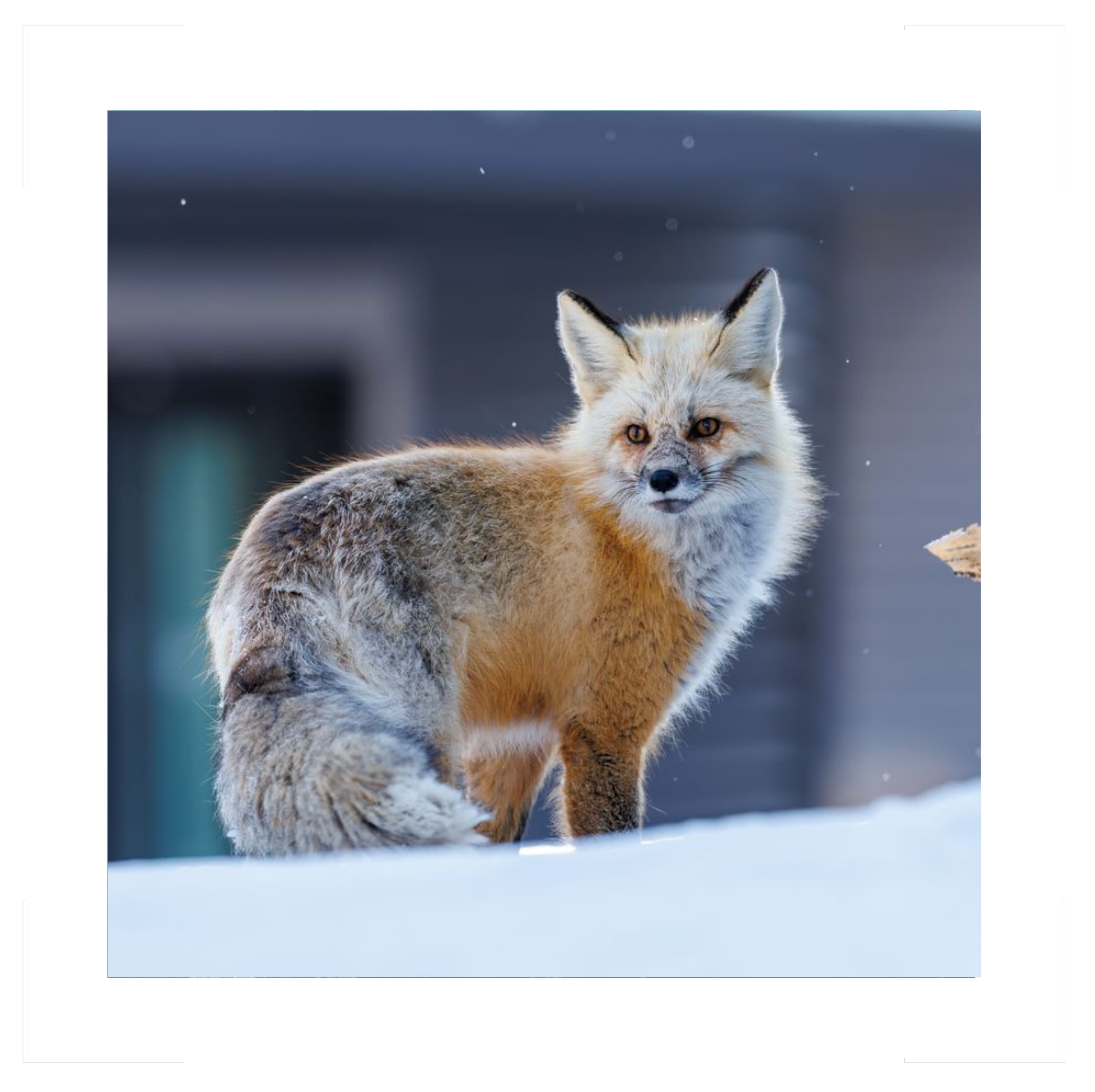
RED FOX
Red foxes have exceptional hearing that can detect prey beneath snow or soil.
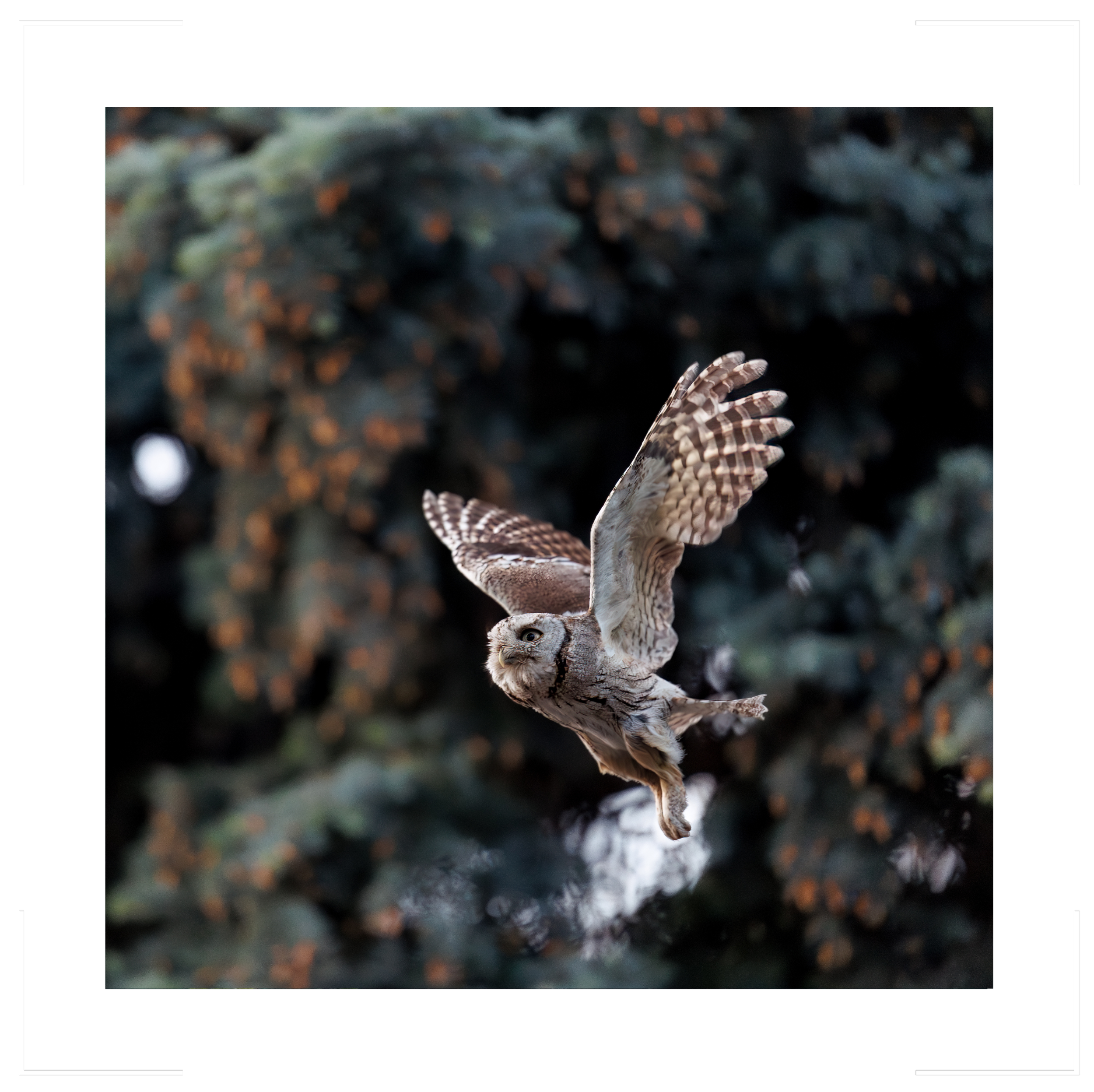
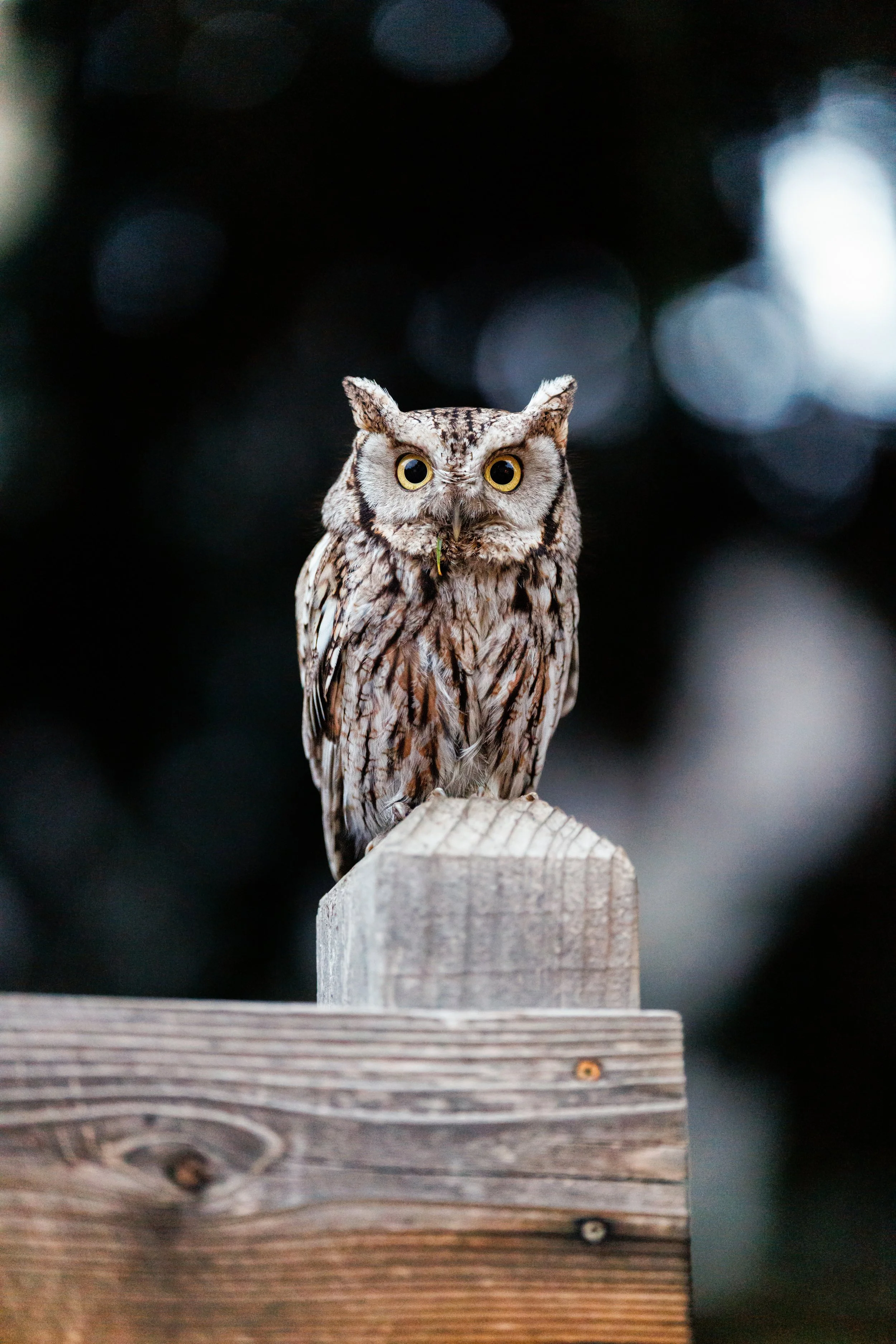
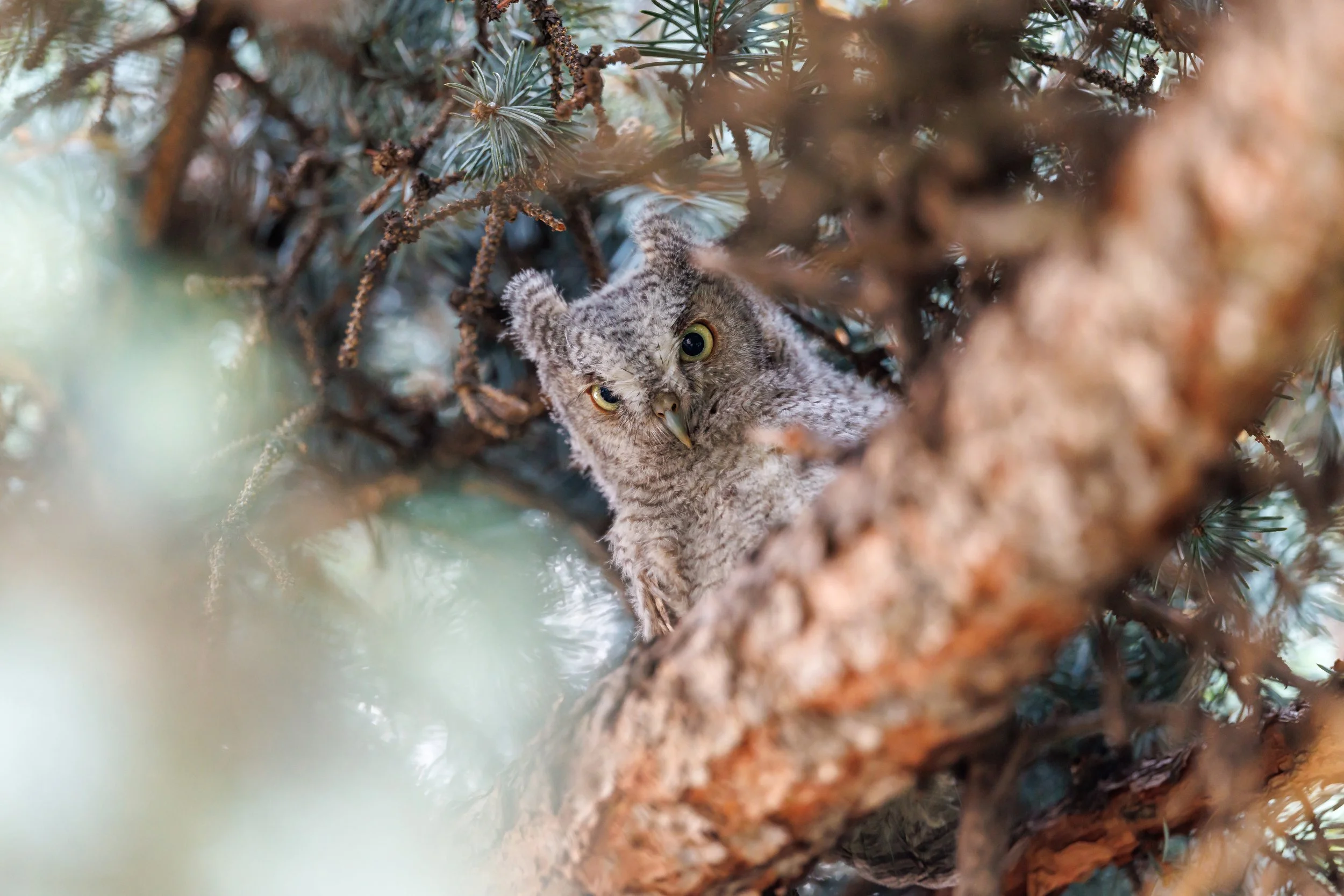
SCREECH OWL
Screech owls are masters of ventriloquism. Their trills sound like they’re coming from different directions, confusing predators and prey.
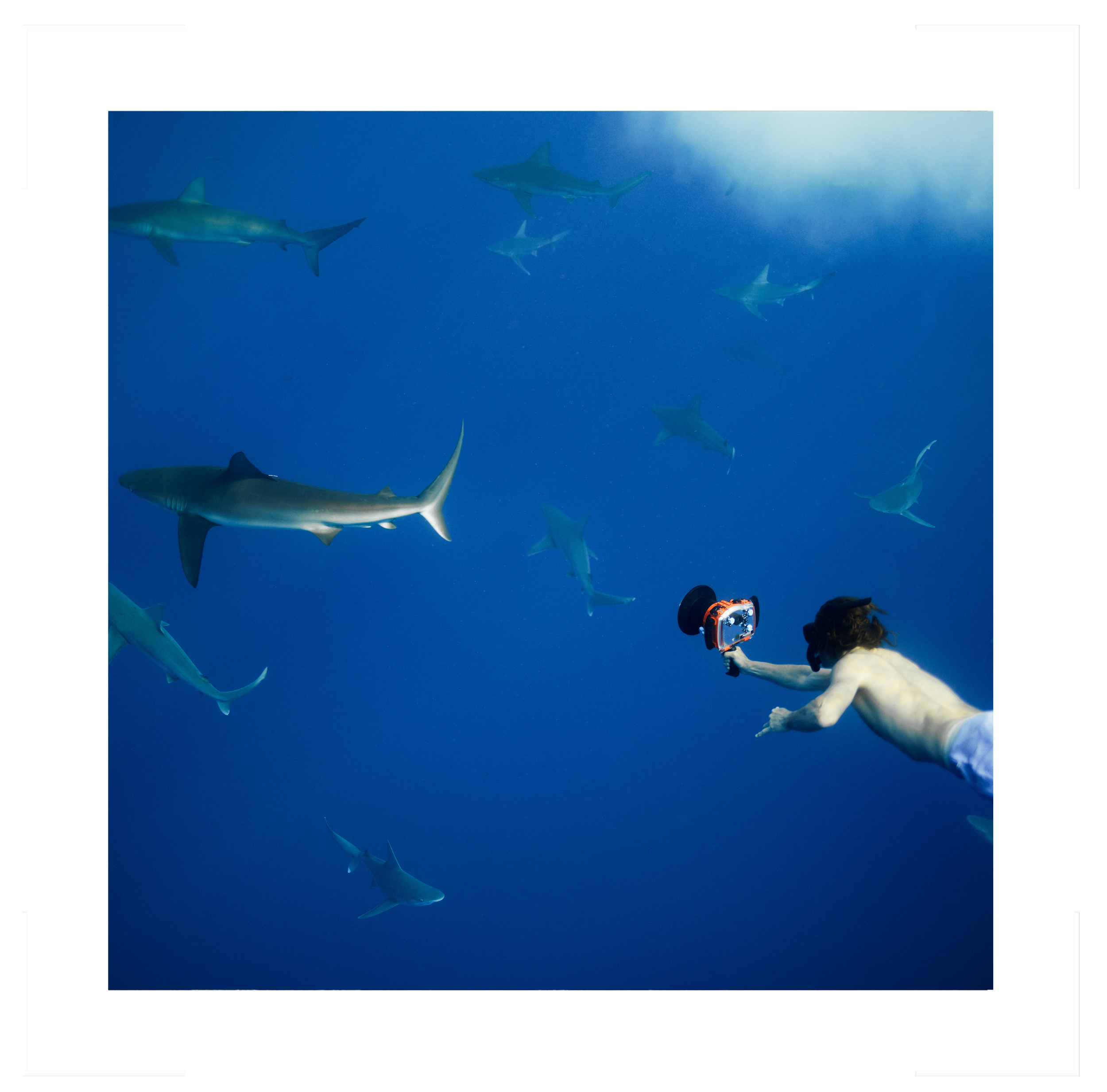
Galápagos sharks can sense electrical signals as faint as one-billionth of a volt, letting them detect hidden prey.
GALAPAGOS SHARK

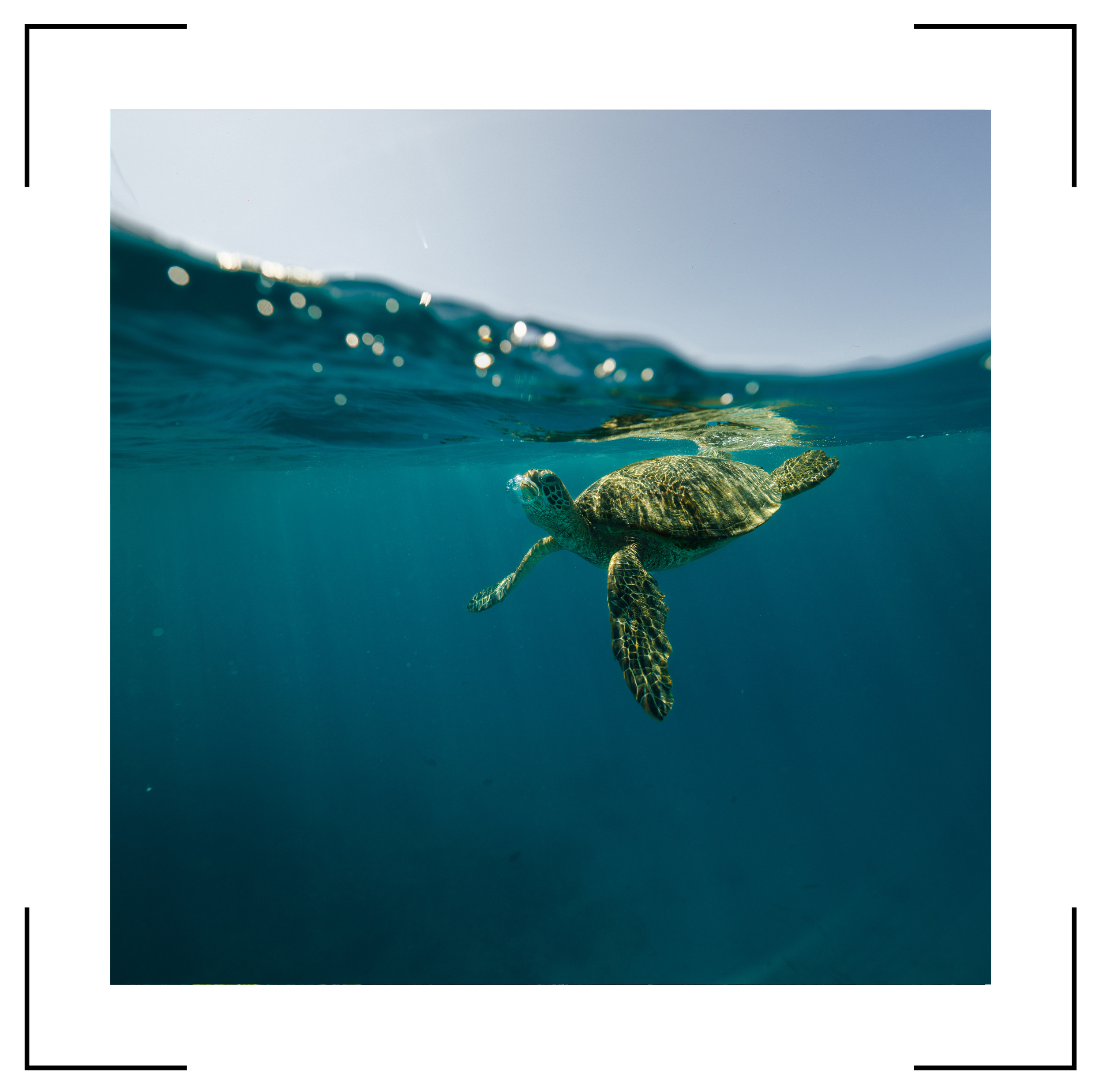
Sea turtles have a built-in magnetic compass that allows them to navigate thousands of miles and return to the exact beach where they were born.
SEA TURTLE
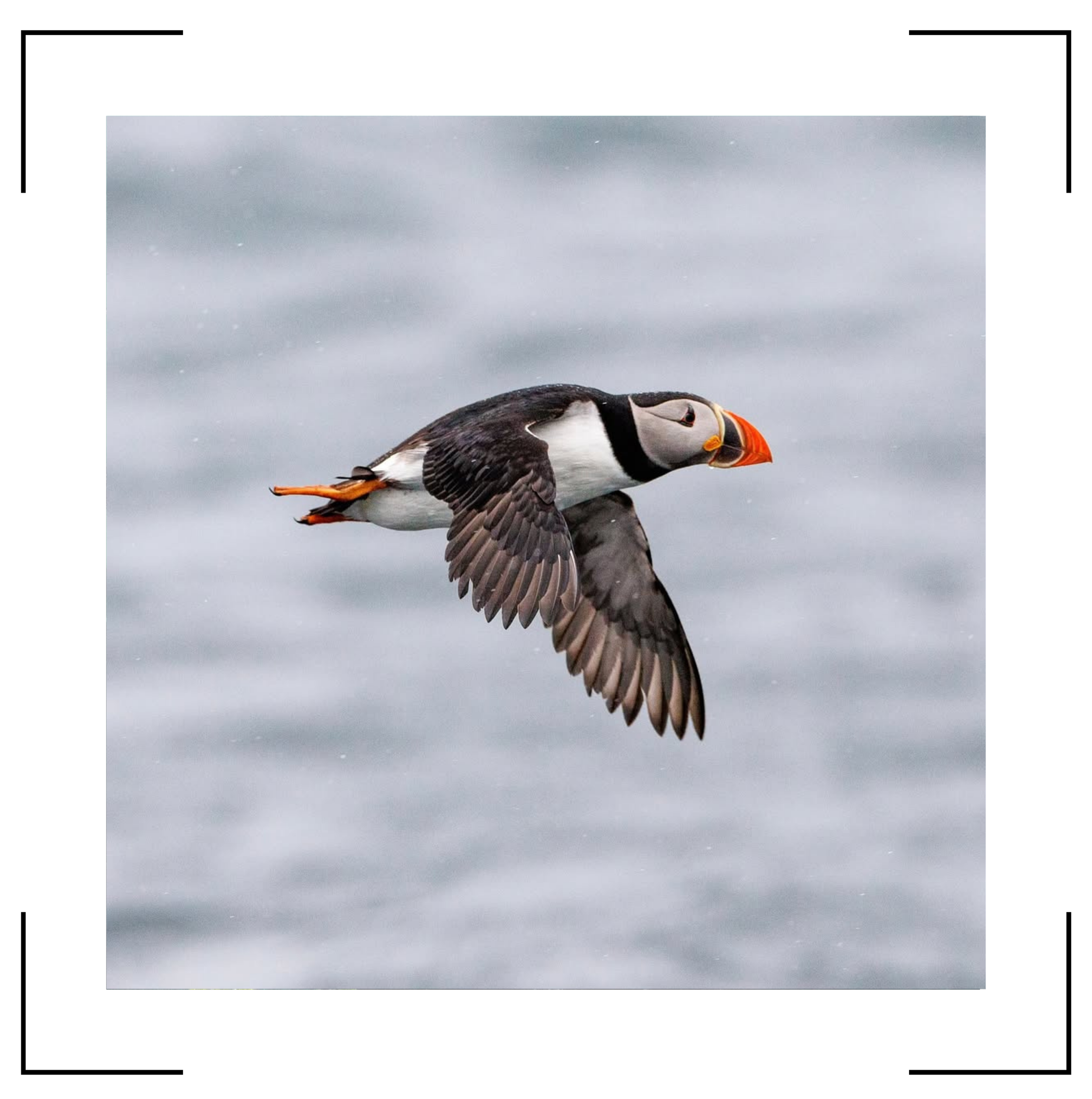
PUFFIN
Puffin bills contain special pigments that fluoresce neon under ultraviolet light, something only visible to other birds.
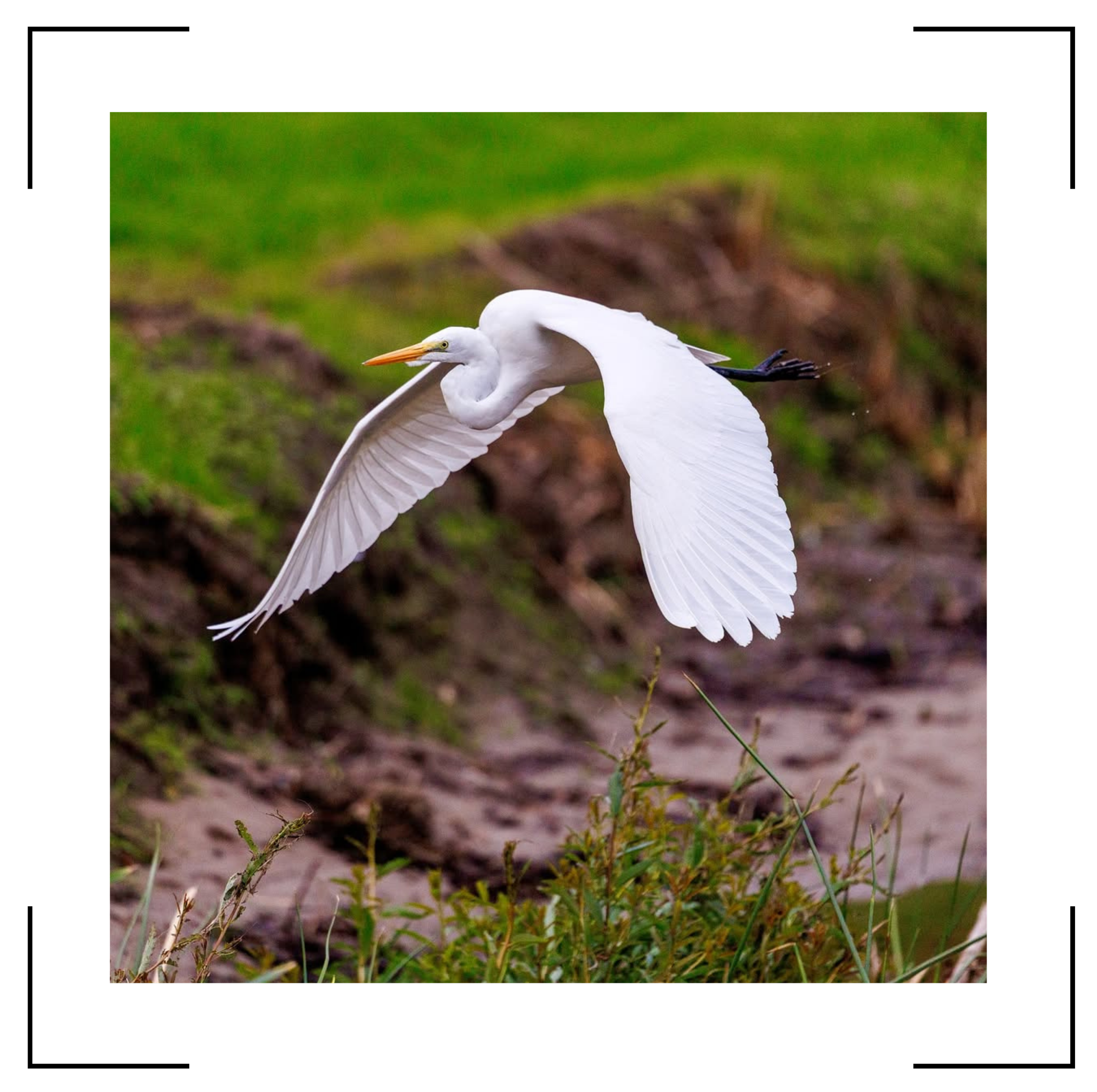
GREAT EGRET
In spring, the skin near a great egret’s beak glows a bright lime green, signaling readiness to mate
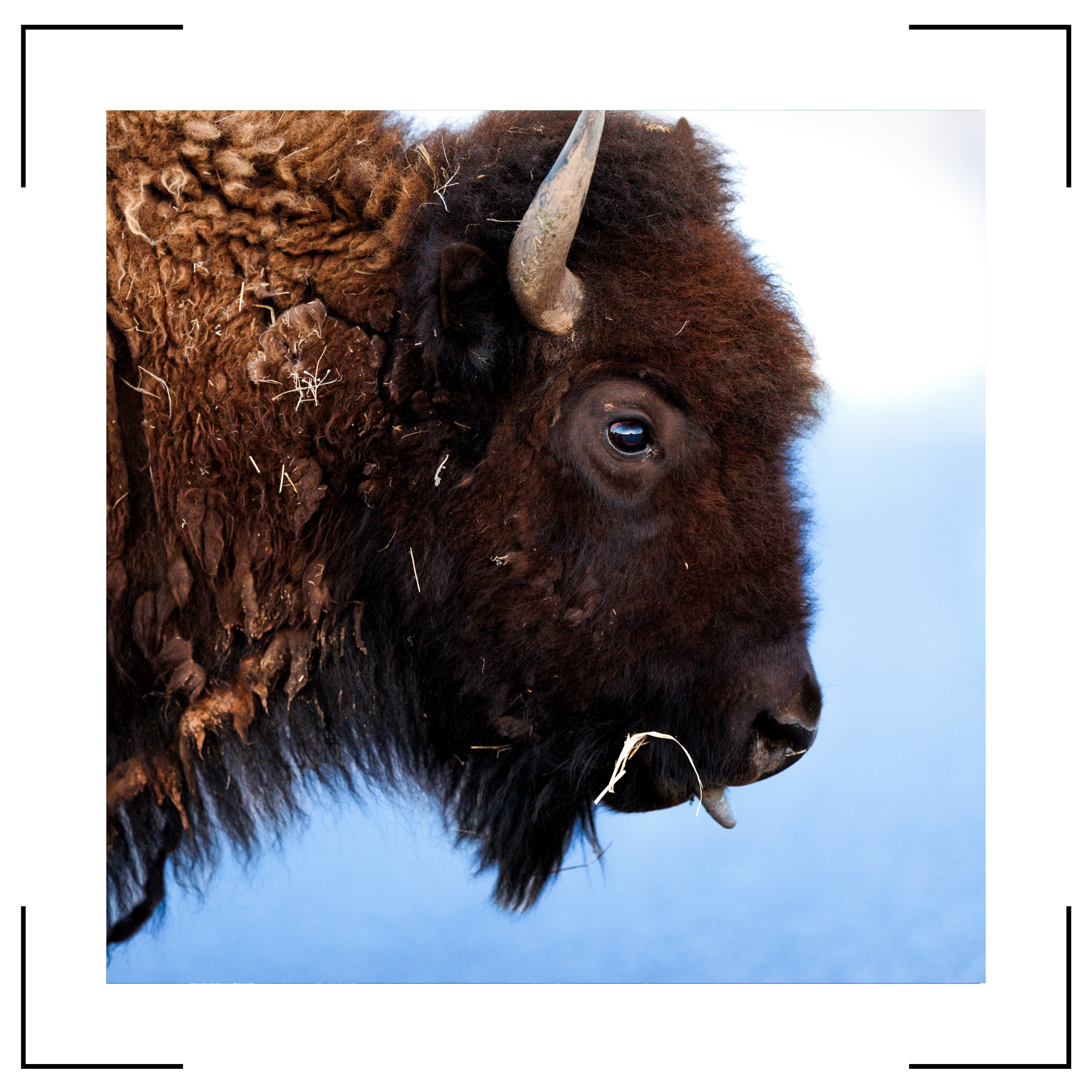
When a herd runs, the vibration can be felt miles away, and Native peoples historically used this ground-shake to locate migrating herds.
BISON

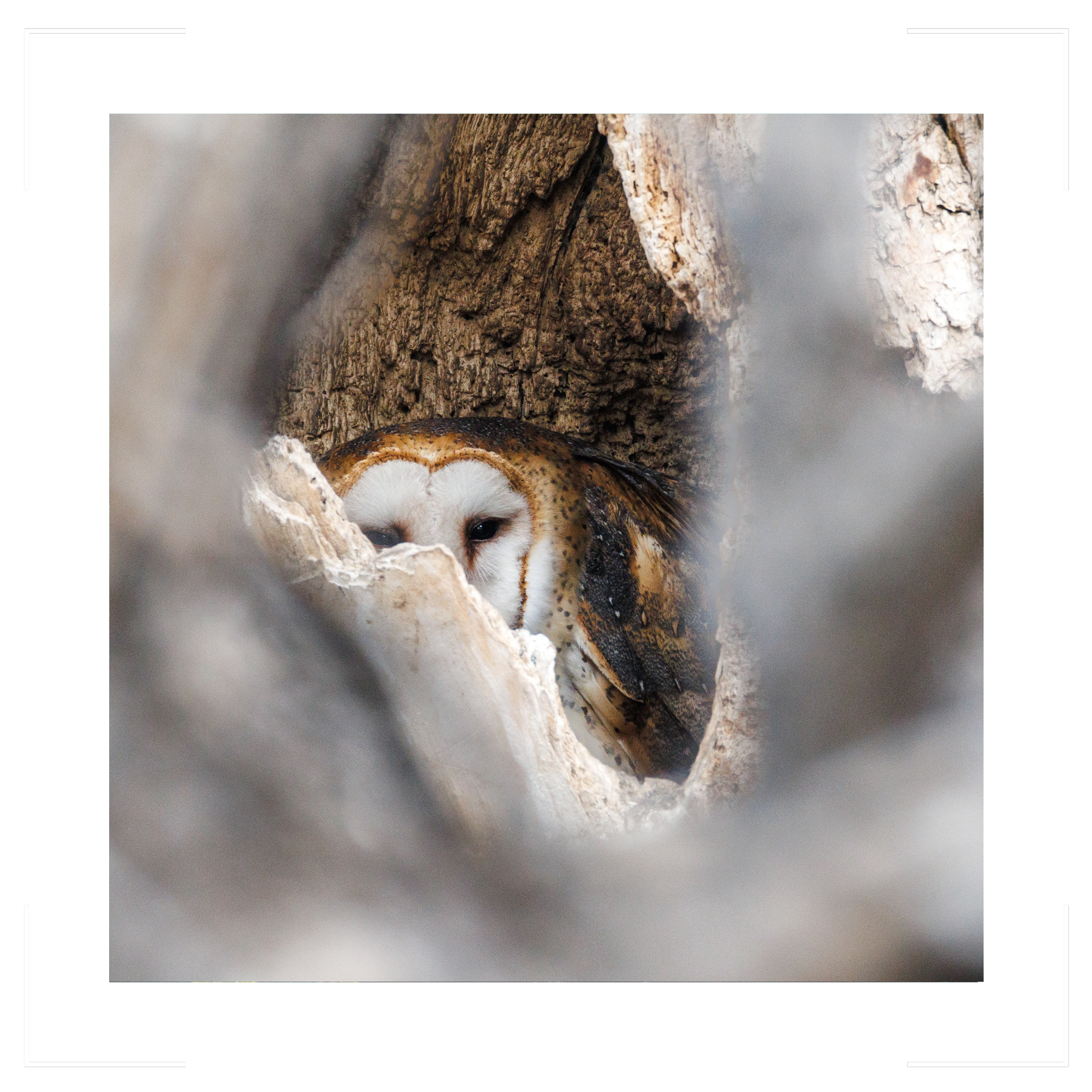
BARN OWL
Barn owls’ asymmetrical ears allow them to pinpoint a mouse in darkness, even beneath grass or snow, with accuracy.
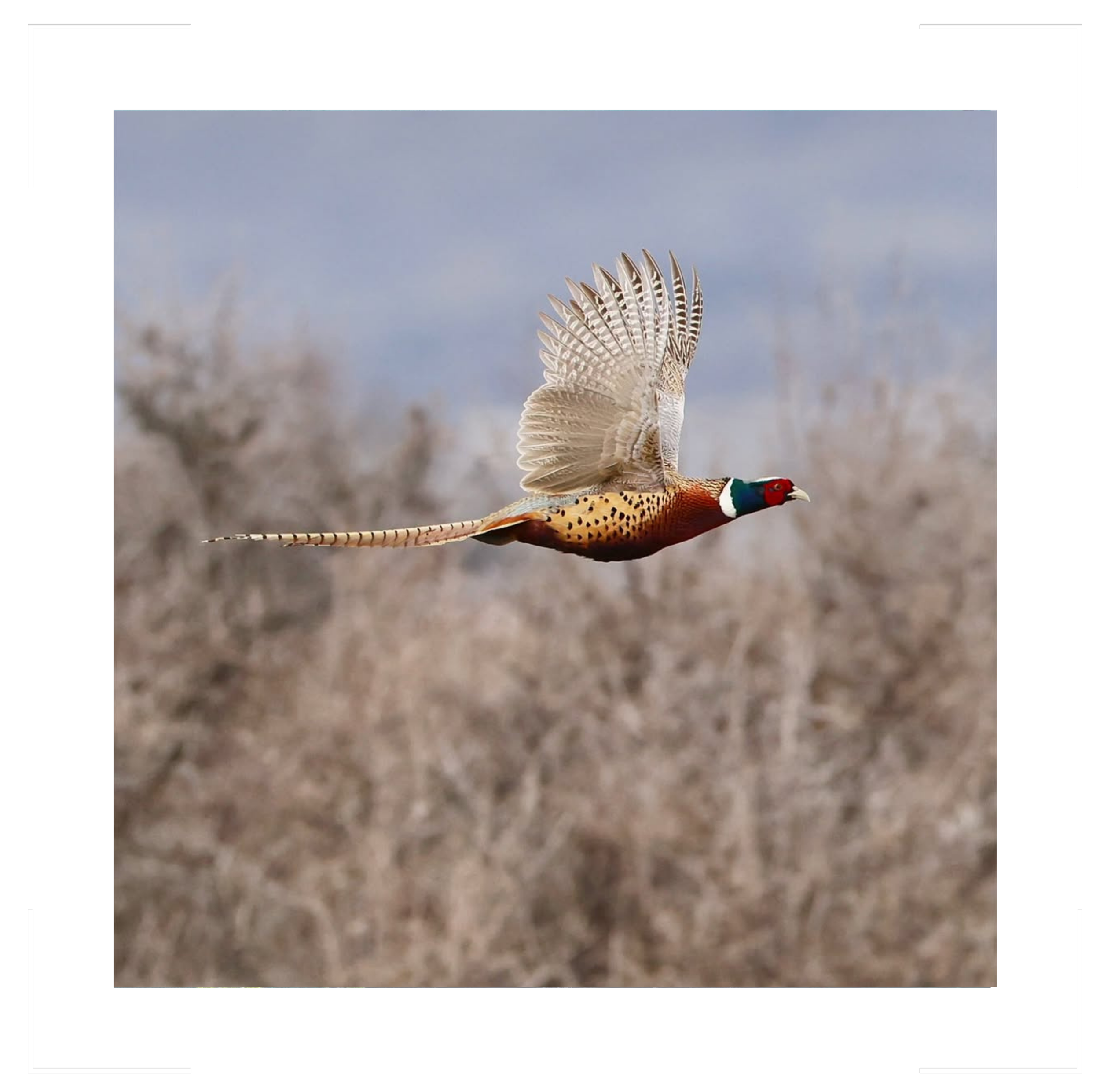
Pheasants in Scotland aren’t native. They were introduced by the Romans 2,000 years ago and have become one of the country’s most iconic game birds.
PHEASANT
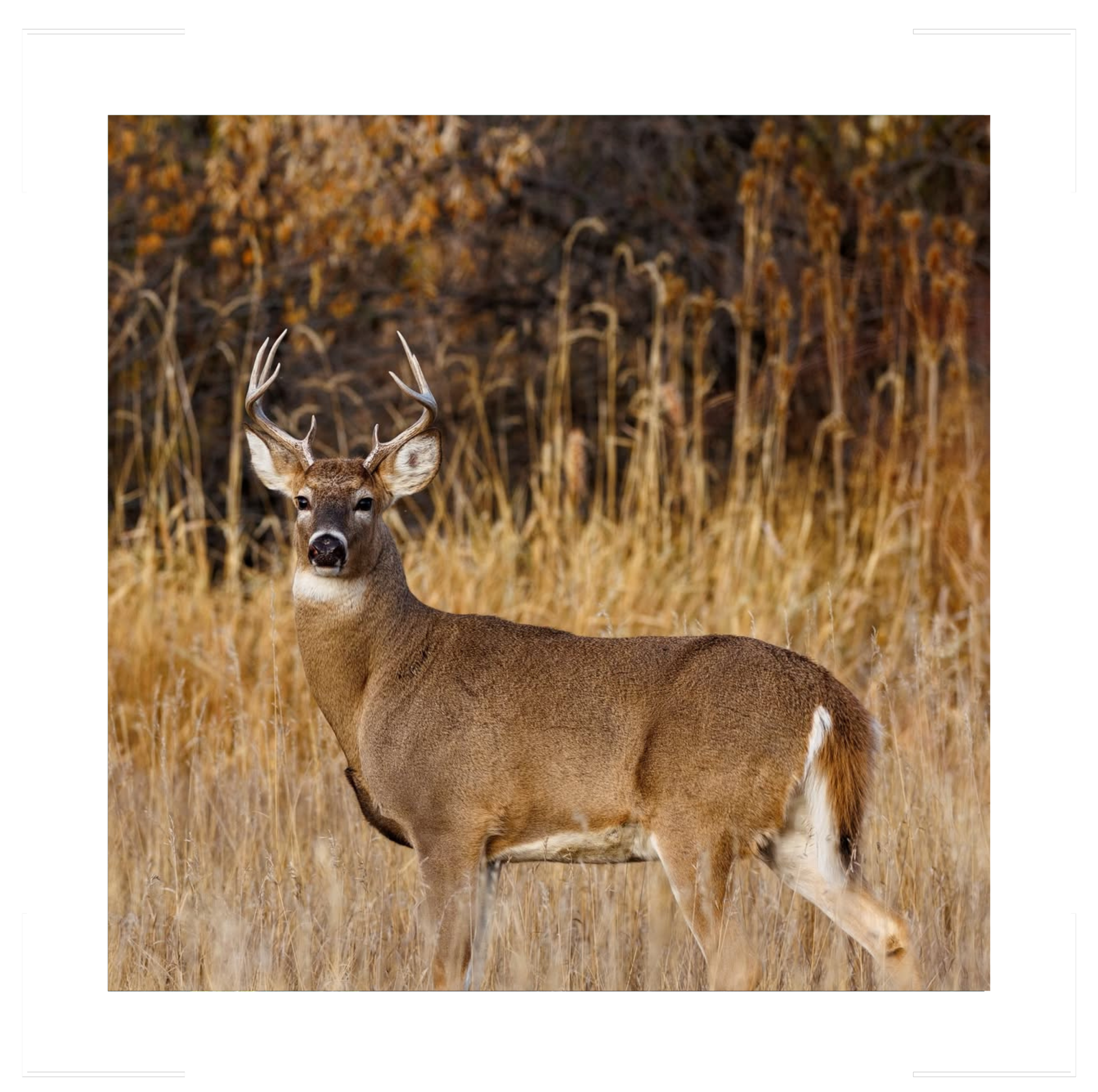
WHITE TAILED DEER
White-tailed deer have scent glands between their toes, so every step they take leaves a trail other deer can read.
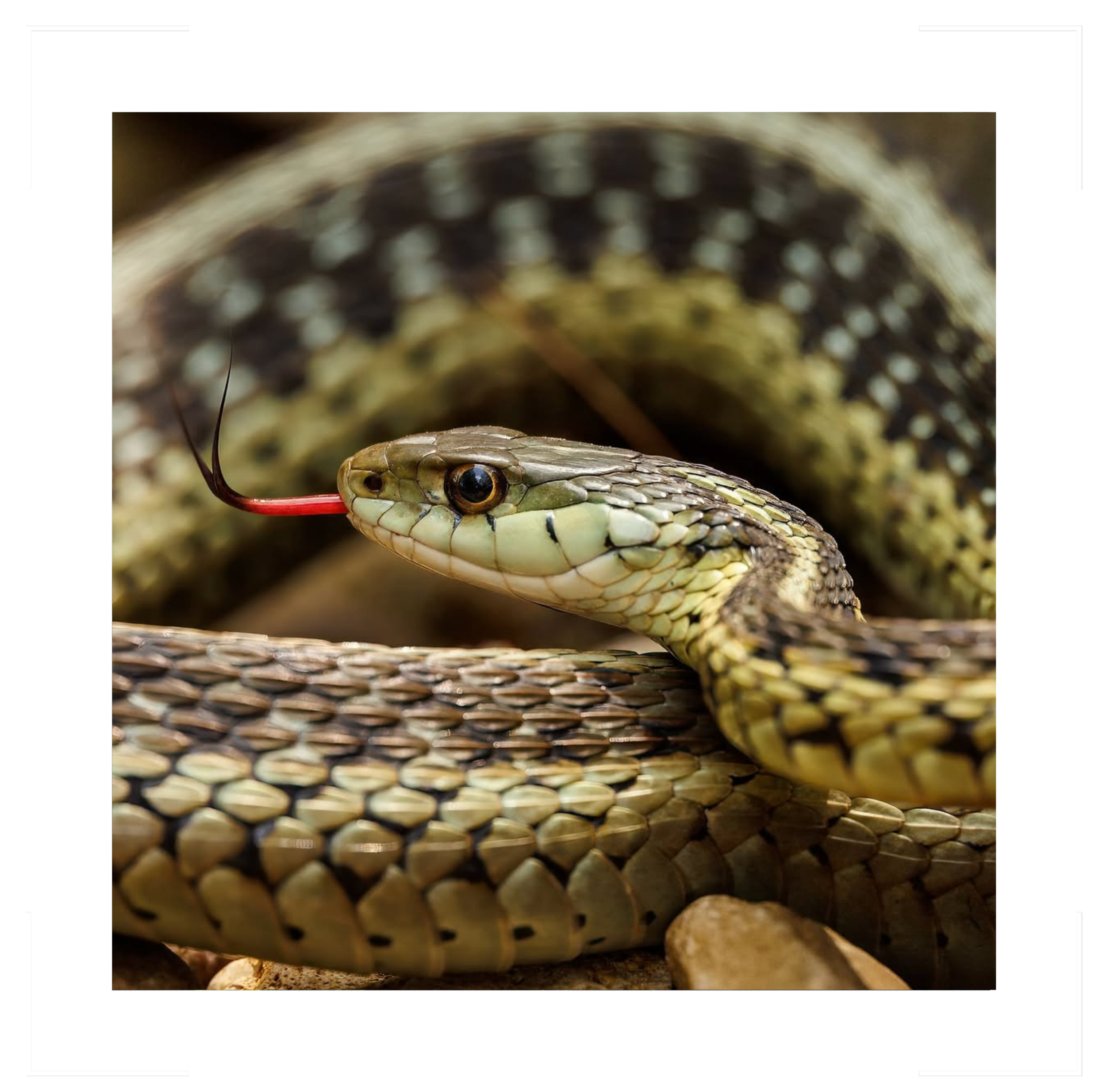
Garter snakes gather by the thousands in giant mating clusters, one of the largest reptile gatherings in North America.
GARTER SNAKE

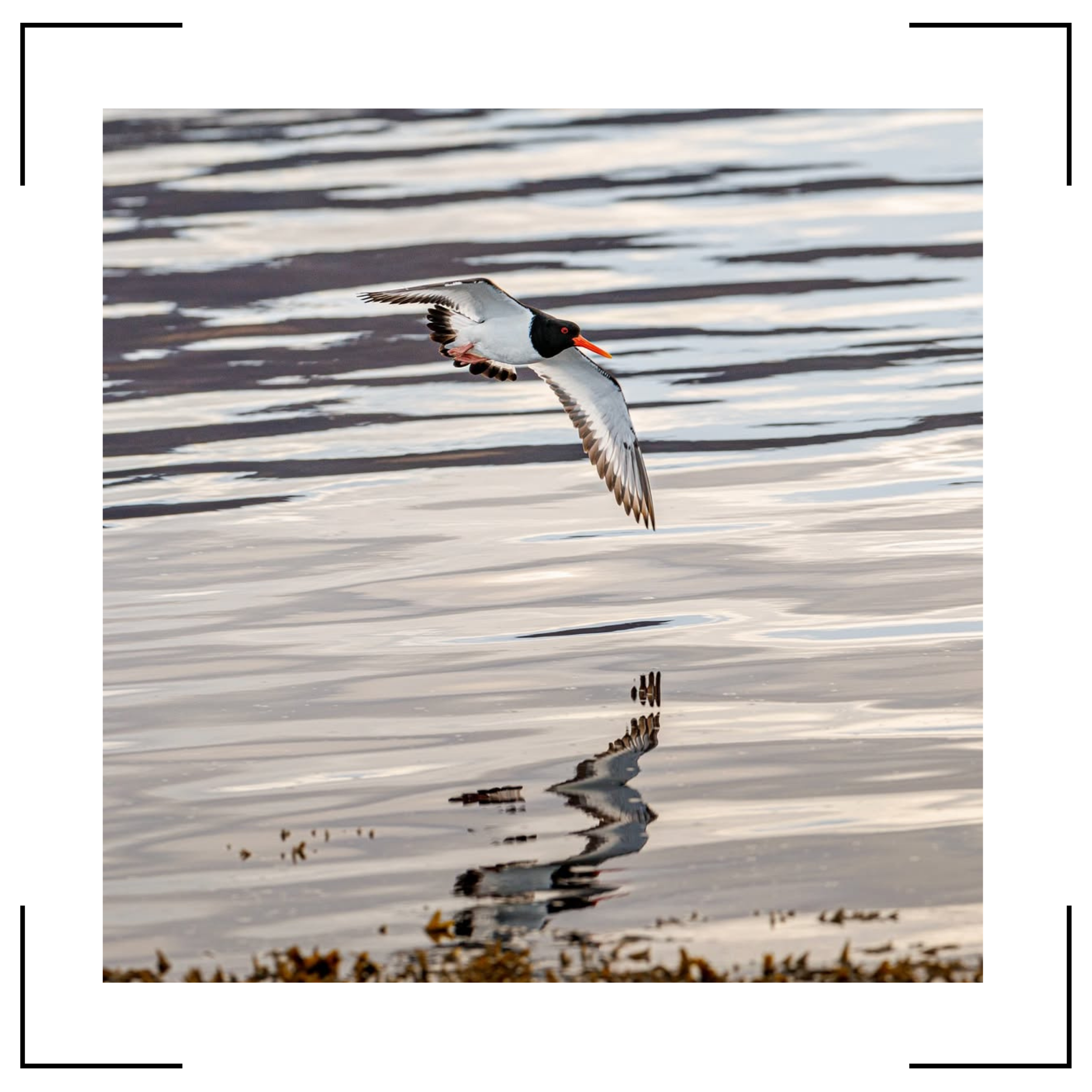
Eurasian Oystercatchers have chisel-shaped bills for prying shellfish or blade-shaped bills for stabbing soft prey. The shape of tier beak adapts based on what they eat most.
Eurasian Oystercatcher
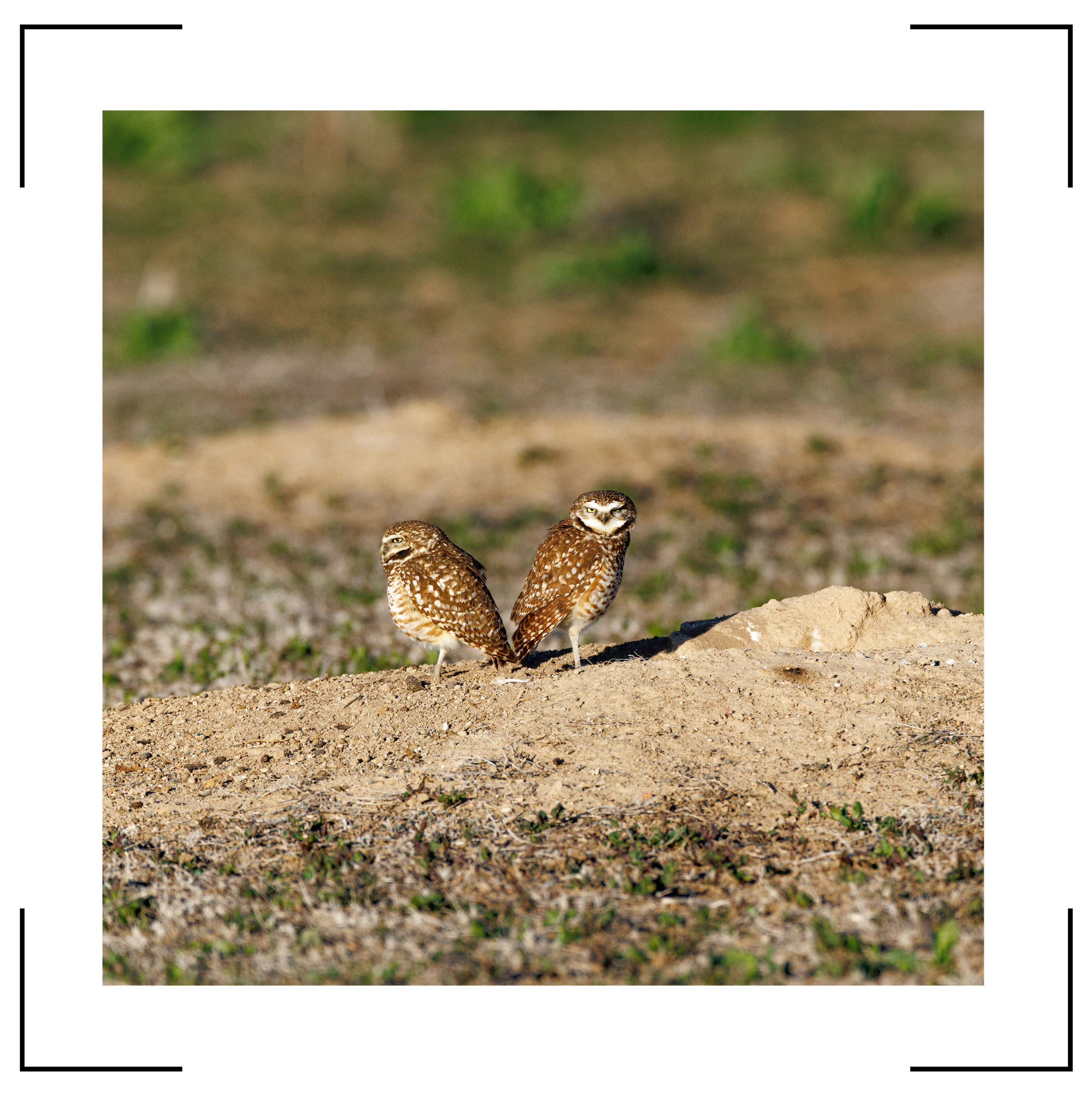
Burrowing owls nest in underground burrows, often taking over abandoned prairie dog or ground squirrel tunnels.
Burrowing Owl
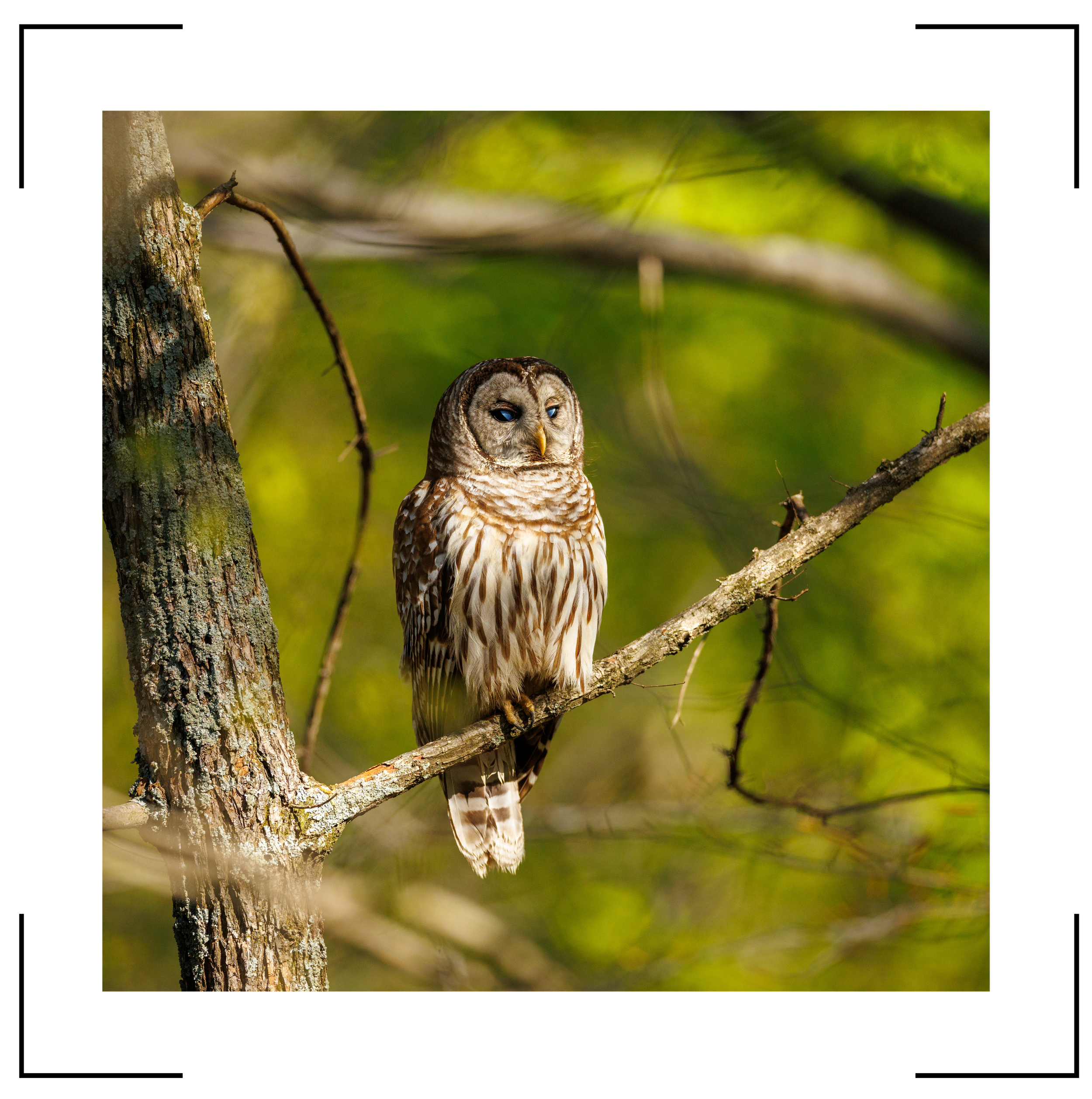
BARRED OWL
Barred owls are so attached to their territory that many spend their lives just miles from where they were born.
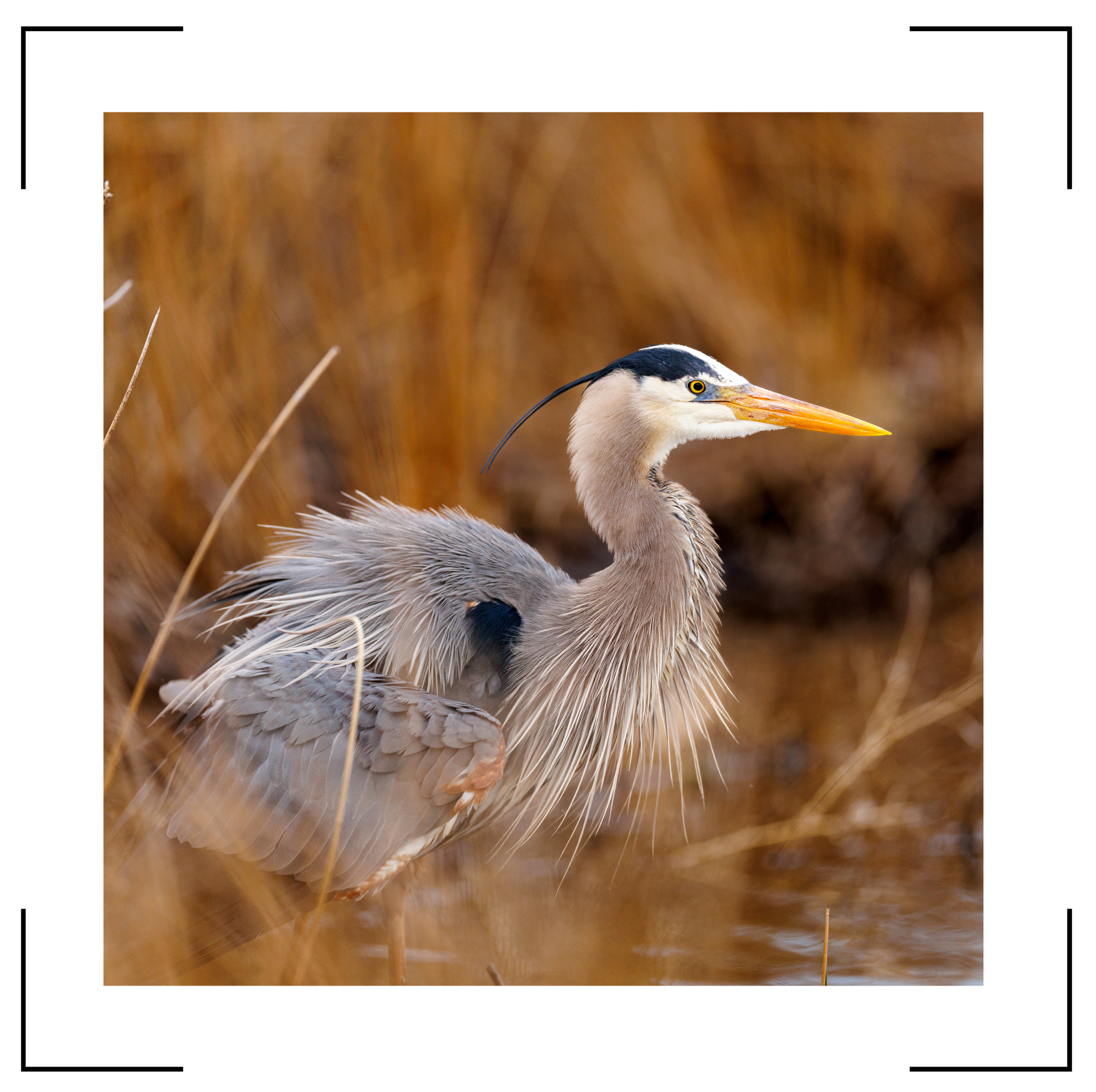
A special bone in their neck acts like a hinge, letting them fold their S-shaped neck tightly while flying and then snap it straight instantly to spear prey.
GREAT BLUE HEROn

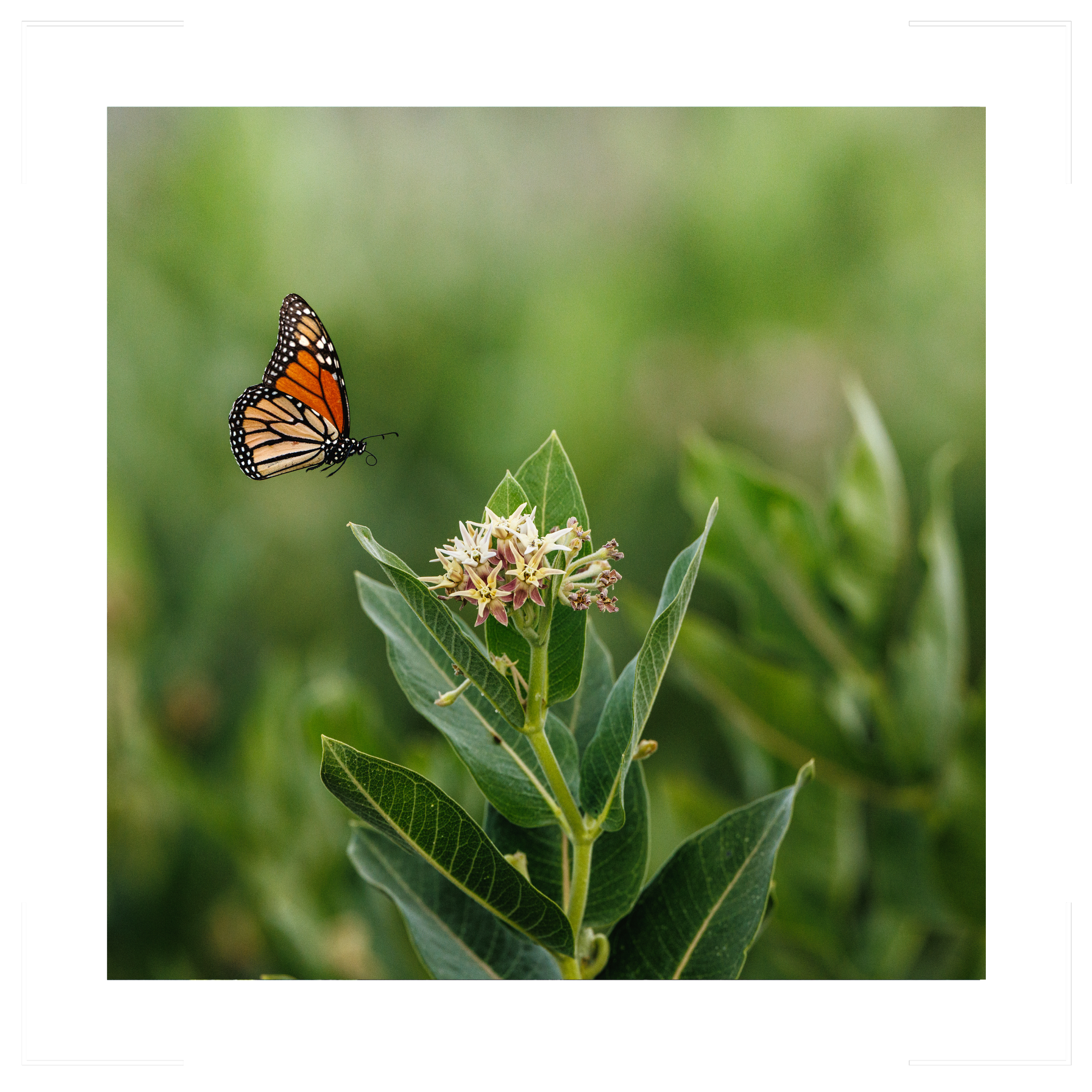
Monarchs travel up to 3,000 miles between Canada and Mexico, an extraordinary journey completed across multiple generations, each picking up where the last one left off.
MONARCH BUTTERFLY
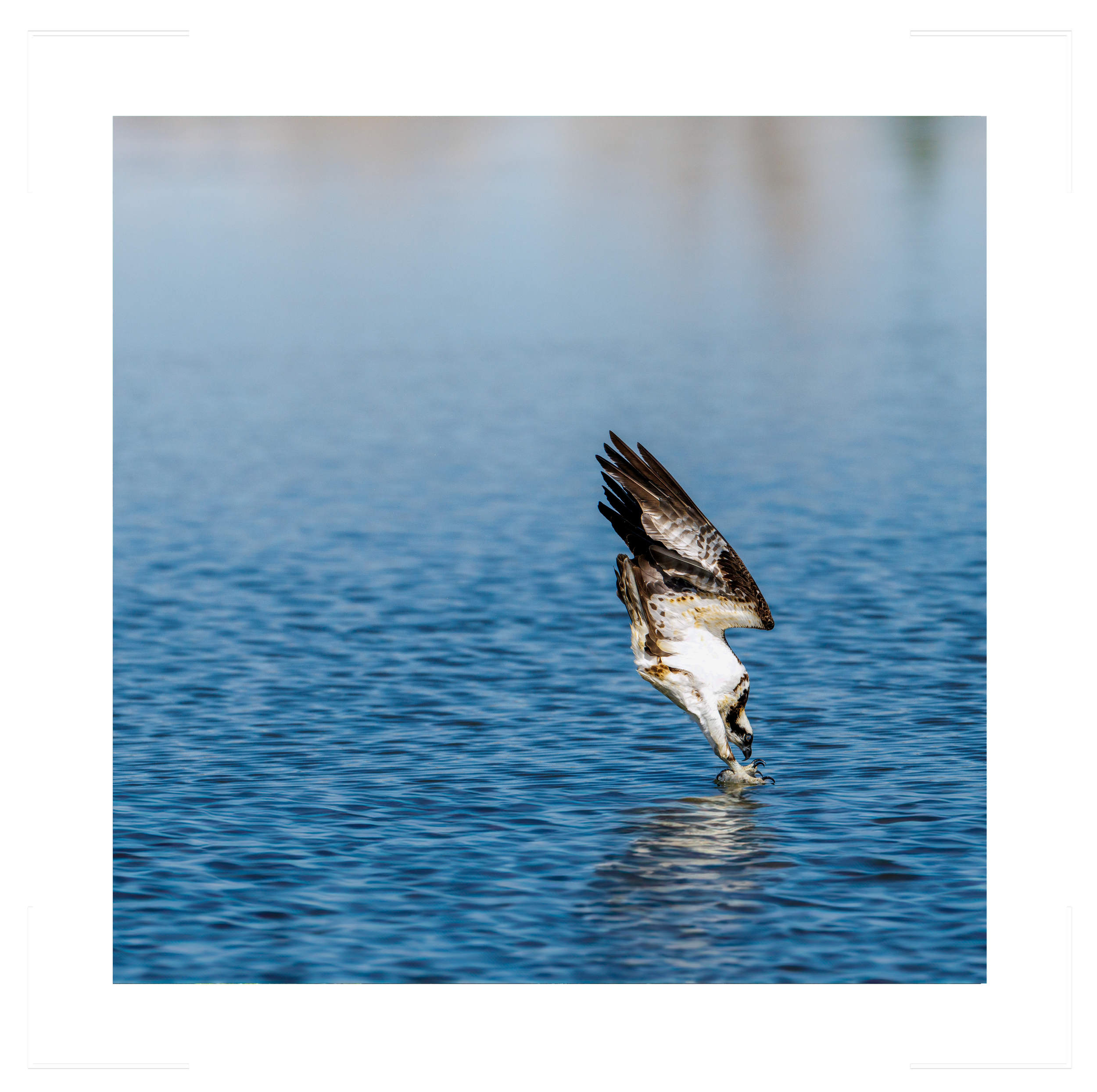
Ospreys dive into water with their talons extended, sometimes fully submerging, thanks to their waterproof feathers and closable nostrils.
OSPREY
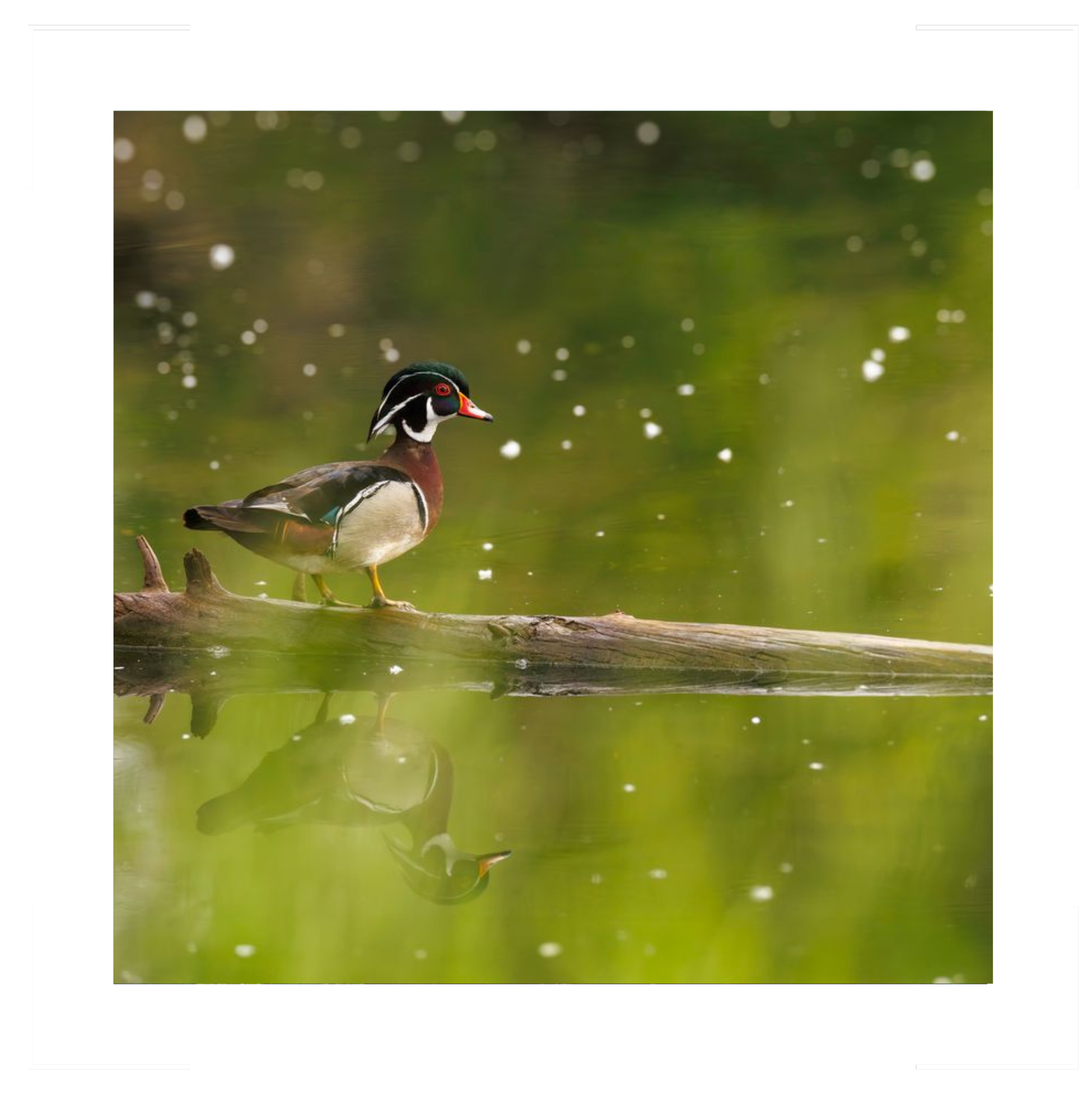
WOOD DUCK
Within a day of hatching, wood duck chicks jump from nests up to 50 feet high, bouncing safely on leaves or forest floor as their mom calls them to the water
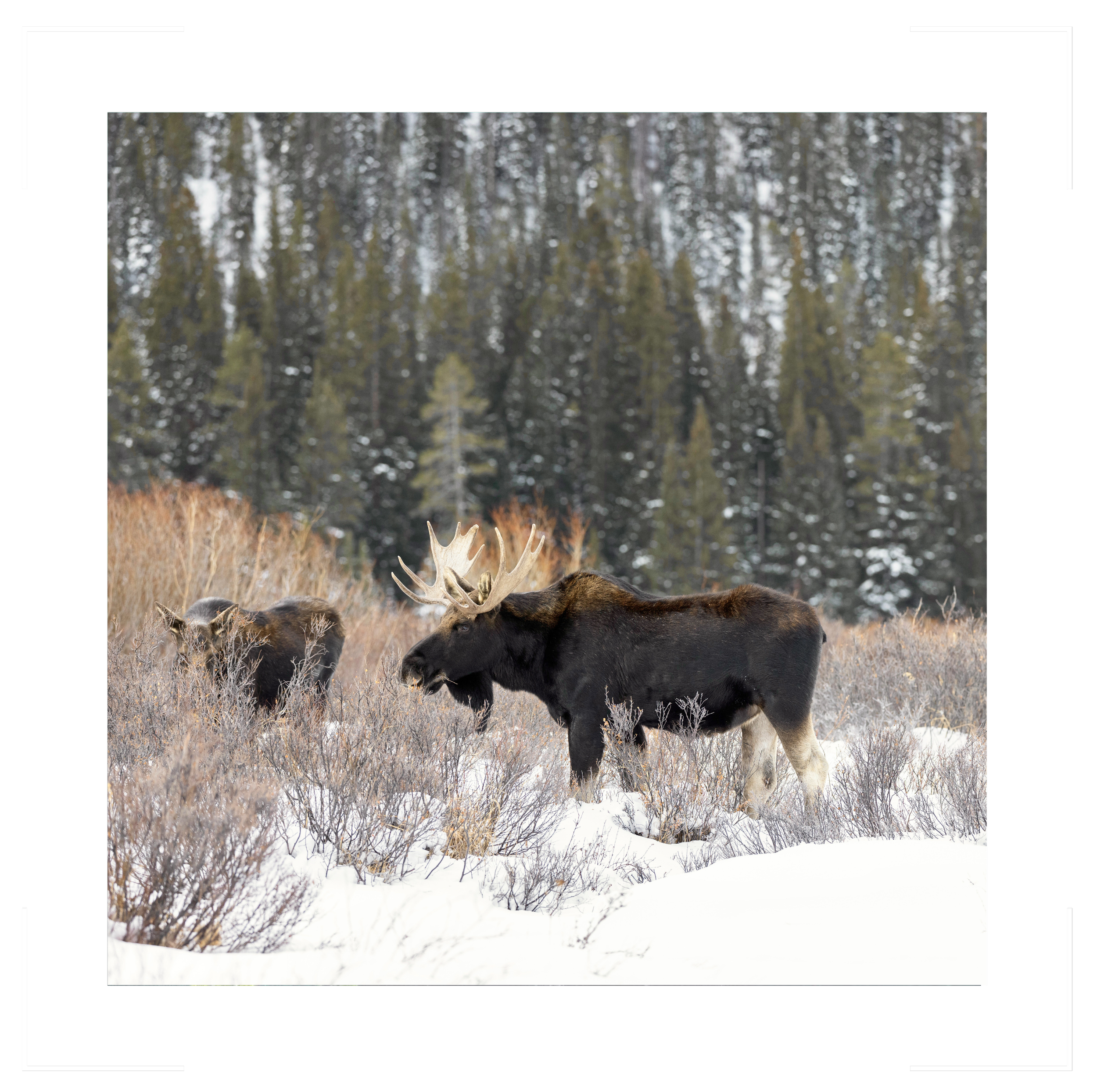
Male Shiras moose shed their antlers annually, sometimes within 24 hours and regrow them at an astonishing rate of up to an inch per day in spring.
SHIRAS MOOSE

Nature has taught me patience, presence, and perspective.


Shop the Wildlife Collection
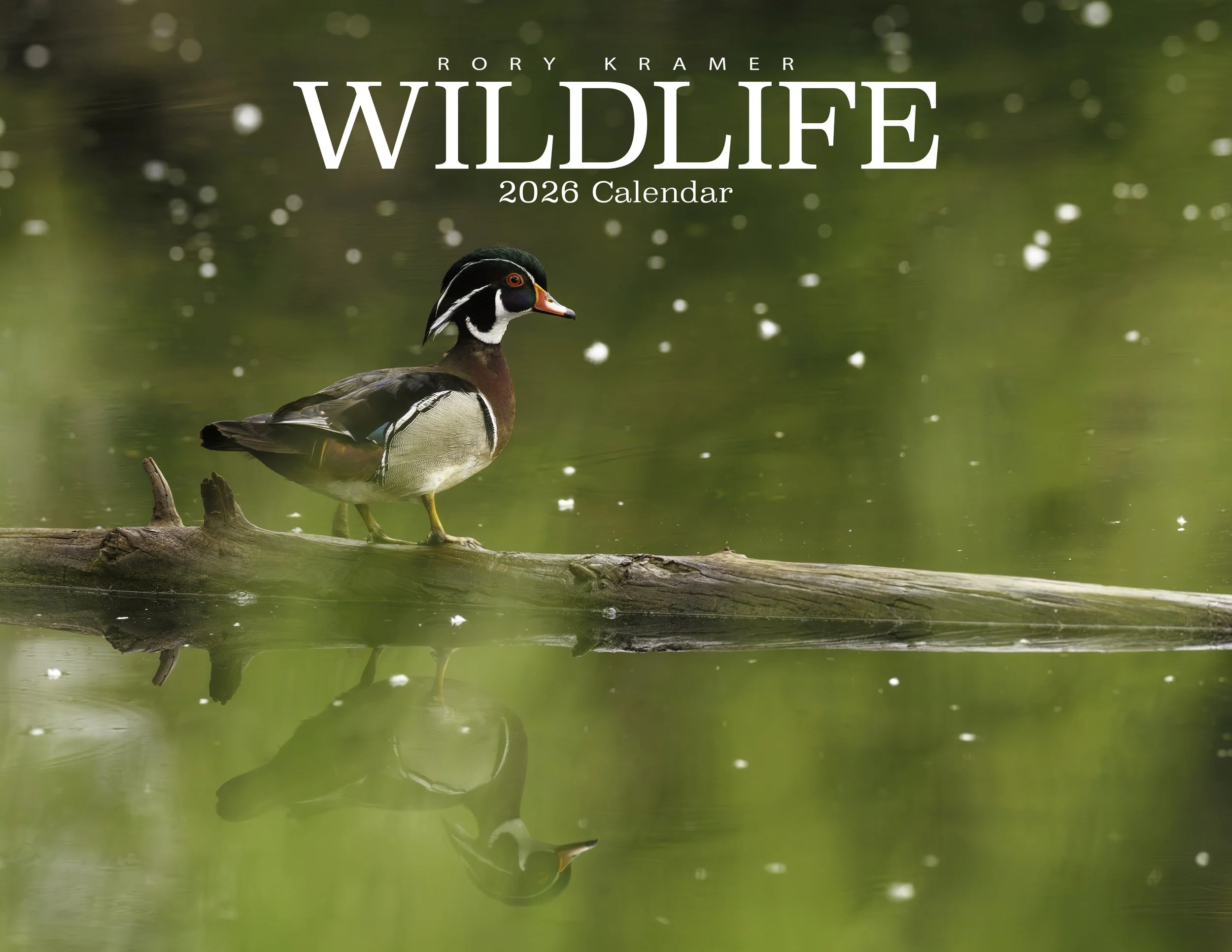
Experience the wild through Rory’s lens in this 2026 calendar, with twelve scenes captured observing animals in their natural environments.
Please allow up to 2 weeks for shipping